Clinical Trial Services
From Safety Studies to Human Trials
Summit Life Science supports the full clinical development pathway — nonclinical safety assessment, animal efficacy models, and human clinical studies — in partnership with leading research centers and medical schools.
01 — Clinical Trial Services
Safety and Toxicology Study
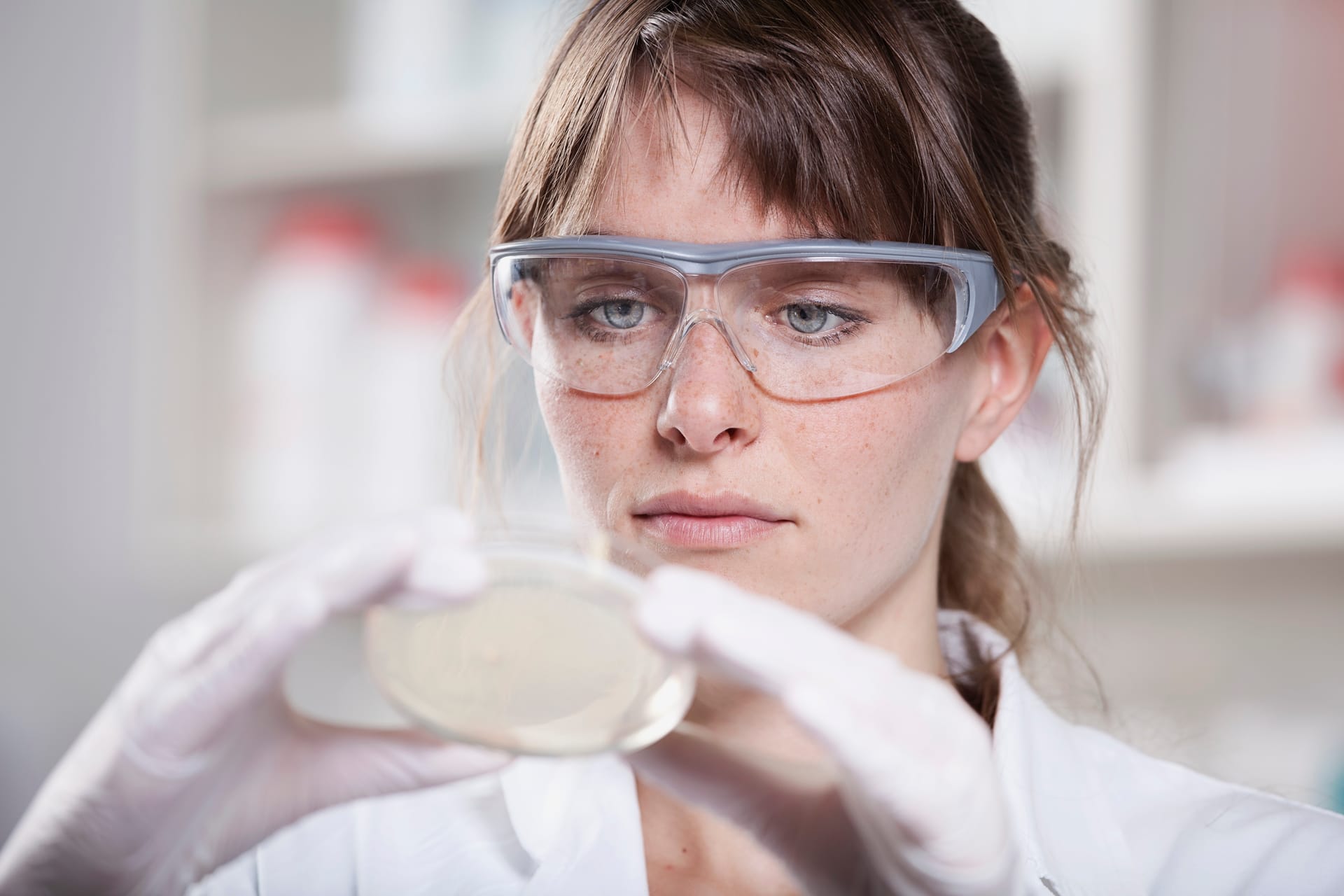
The nonclinical safety assessment for marketing approval of a pharmaceutical usually includes pharmacology studies, general toxicity studies, toxicokinetic and nonclinical pharmacokinetic studies, reproduction toxicity studies, genotoxicity studies and, for drugs that have special cause for concern or are intended for a long duration of use, an assessment of carcinogenic potential. Other nonclinical studies to assess phototoxicity, immunotoxicity, juvenile animal toxicity and abuse liability should be conducted on a case-by-case basis.
02 — Clinical Trial Services
Animal Models Efficacy Study
Biopharmaceutical companies are ethically and legally obligated to carefully evaluate new medicines before they can be given to patients. Regulatory bodies around the world, including the U.S. Food and Drug Administration, require all potential new medicines to undergo safety studies in animals before beginning clinical trials in people.
Animal systems can provide essential insights into how a disease works within the body, one of the first steps in drug discovery and development. Animals help us advance scientific understanding of our biology, contribute to developing new medicines and therapies, and protect the safety of people and the environment.
03 — Clinical Trial Services
Human Clinical Study
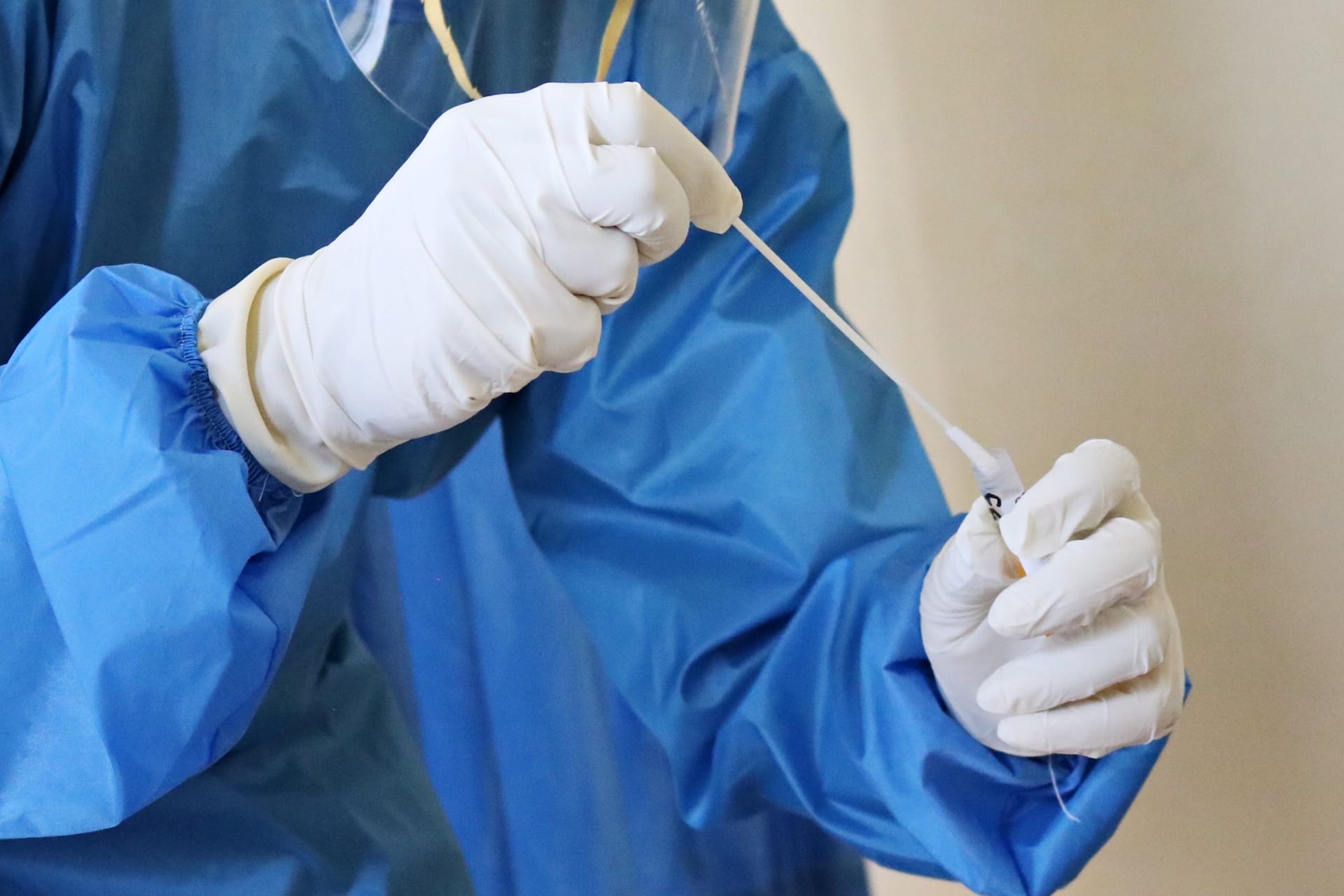
Clinical trials are research studies performed on people to evaluate a medical, surgical, or behavioral intervention. They are the primary way that researchers find out if a new treatment, like a new drug or diet, or medical device (for example, a pacemaker) is safe and effective in people. Often a clinical trial is used to learn if a new treatment is more effective and/or has fewer harmful side effects than the standard treatment.
Other clinical trials test ways to find a disease early, sometimes before there are symptoms. Still, others try ways to prevent health problems. A clinical trial may also look at how to make life better for people living with a life-threatening disease or a chronic health problem. Clinical trials sometimes study the role of caregivers or support groups.
Before the U.S. Food and Drug Administration (FDA) approves a clinical trial, scientists perform laboratory tests and studies in animals to test a potential therapy's safety and efficacy. If these studies show favorable results, the FDA gives approval for the intervention to be tested in humans.

Overview
Study Types
Our clinical trial capabilities span the full nonclinical and clinical development continuum.
01
Safety and Toxicology Study
Nonclinical pharmacology, general toxicity, toxicokinetics, reproductive toxicity, genotoxicity, and carcinogenicity assessments.
02
Animal Models Efficacy Study
In vivo disease model studies providing mechanistic insights essential for advancing drug candidates into human trials.
03
Human Clinical Study
Phase I–III clinical research in collaboration with accredited clinical research centers to evaluate safety and efficacy in people.
04
In-vitro Study
Cell-based and biochemical assays to characterize compound activity, selectivity, and mechanism of action.
Start Your Clinical Development Program
Contact our team to discuss how we can support your nonclinical and clinical trial needs with tailored study designs and expert oversight.